EIWA-Logo-Landscape-ColorEIWA-Logo-Landscape-WhiteEIWA-Logo-Landscape-ColorEIWA-Logo-Landscape-Color
  • HOME
  • ABOUT
  • SERVICES
  • PARTNERS WITH US
  • PROJECTS
    • Australia
    • Japan
    • China
  • LANGUAGE
    • English
    • Translate to Japanese
    • Translate to Chinese
Enquiry now
✕

EIWA Goondiwindi

  • Home
  • PROJECTS
  • Australia
  • EIWA Goondiwindi
Kunshan (Stage 1)
1 November 2024

About Goondiwindi Renewable Energy Hub

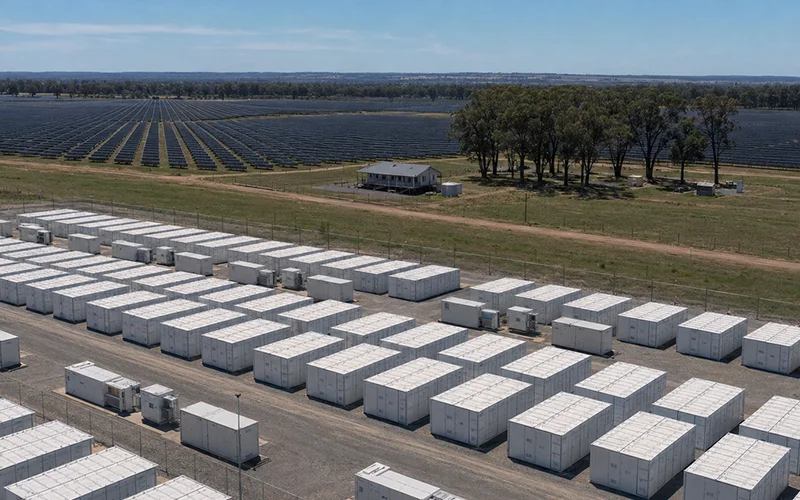
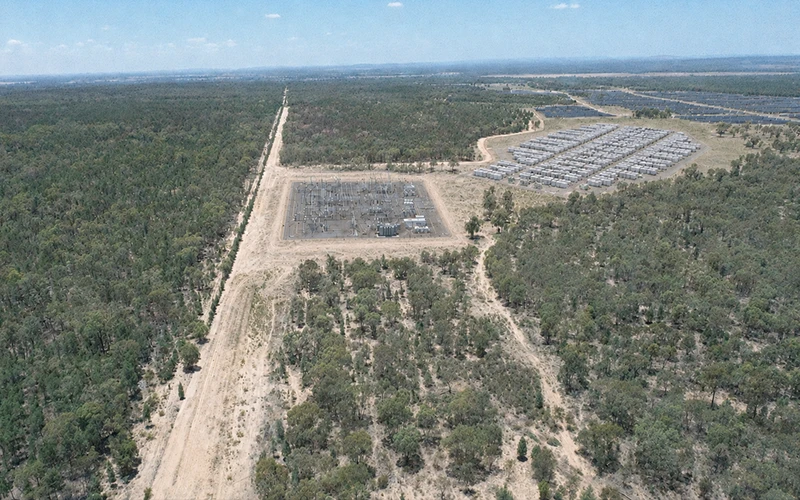
This project features a state-of-the-art energy facility that combines a 1.2-gigawatt (GW), eight-hour Battery Energy Storage System (BESS) with a 200-megawatt (MW) solar project.

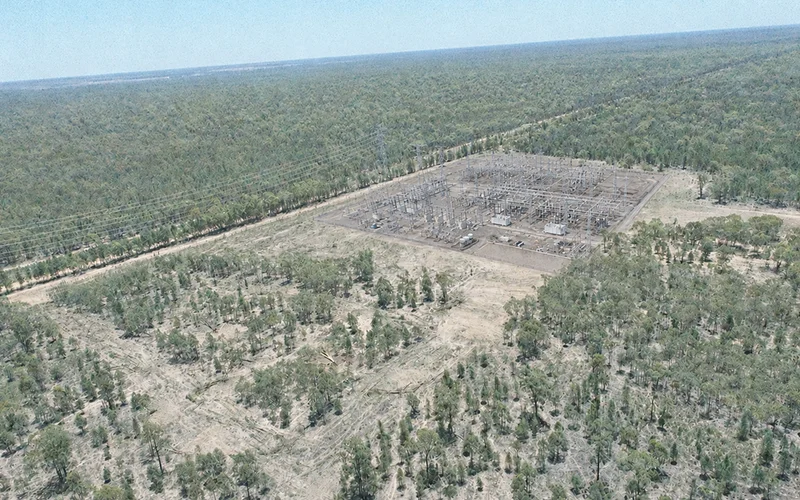
The development includes constructing a new substation to facilitate grid connection, ensuring reliable and efficient integration of renewable energy into the network.

This project represents a significant investment in sustainable energy infrastructure and long-term community benefits. Based on ecology, bushfire/hazard and cultural heritage reports, EIWA has developed a layout that avoids negative impacts.

Project Fact Sheets
  • Goondiwindi Renewable Energy Hub factsheet.pdf
  • Goondiwindi Proposed layout plan.pdf

Project benefits

Clean, reliable and affordable energy:

  • Zero-emission electricity generation.
  • Storage that improves grid reliability with backup power when bulk supply is offline.
  • Located on the QNI connecting NSW and Queensland, allowing the project to smooth out supply and demand imbalances between the states.
  • Storage that smooths out the supply-demand balance in Queensland, helping to reduce peak power costs.
  • Storage that supplies 600,000 to 800,000 homes.
  • Solar that saves 300,000 to 330,000 tonnes of CO2 annually, or 110,000 to 120,000 passenger vehicles
  • Solar that supplies 65,000 to 75,000 homes

Local economic benefits:

  • Construction is expected to last up to 24 months and will require a peak workforce of 600-800 workers.
  • Once operational, the facility will employ up to 15 full-time staff and is designed for an operational life of at least 30 years.
  • Construction will boost demand for local accommodation, food, transport, and goods—supporting small businesses and benefiting the Goondiwindi economy.
  • Engaging local suppliers and contractors will further support ongoing regional investment.

Community benefits:

  • The project will work with Goondiwindi Regional Council and the community to develop a Community Benefit Agreement that reflects local priorities and delivers long-term value.

The planning pathway

  • Using ecology, bushfire, hazard, and cultural heritage reports, EIWA has designed a layout to avoid negative impacts.
  • EIWA is preparing technical studies on social impacts, traffic, and economic benefits. These assessments will be available for public review as part of the public notification process.
  • Once a Community Benefit Agreement is reached with Goondiwindi Regional Council, EIWA will seek planning approval from the State Assessment Referral Agency.

Timeline

Mid to late 2026
Sharing project information and gathering community feedback.
Technical studies, including a Social Impact Assessment.
Community Benefits Agreement

Early to mid-2027
Development application submission
Development application assessment

Mid 2029
Commence construction.

Provide your feedback

Local feedback is vital to shaping the Goondiwindi Renewable Energy Hub.EIWA has engaged Social Performance Partners to undertake community engagement for the proposal. To ask a question or share your thoughts, please call 1300 083 718 or email Engagement@socialperformancepartners.com.au

Frequently Asked Questions

1What is being proposed?
The Goondiwindi Renewable Energy Hub will feature a state-of-the-art energy facility combining a 1.2-gigawatt (GW), eight-hour Battery Energy Storage System (BESS) with a 200-megawatt (MW) solar project. The development includes the construction of a new substation to facilitate grid connection, ensuring reliable and efficient integration of renewable energy into the network.
2What is a solar farm?
A solar farm is a large-scale facility that generates electricity using rows of solar panels. These panels convert sunlight into electricity, which is supplied to homes and businesses through the power grid. Solar panels capture sunlight and produce an electrical current, which is then converted for use on the power grid and delivered to homes and businesses.
3What is a BESS?
A BESS uses batteries to store excess energy from the power grid or energy produced on site, such as wind and solar, for later use. It can respond more quickly than other energy storage or generation technologies. BESS helps balance intermittent renewable energy sources by providing backup power during periods of low generation or limited grid capacity. BESS is essential for the wider adoption of renewable energy, helping to reduce the risk of power outages.
4How will the project connect to the electricity grid?
The project is located on the Queensland-New South Wales Interconnector, helping to smooth out supply and demand imbalances between the states.
5How will the project benefit the community?
EIWA is committed to maximising the project's benefits for the local community. A Community Benefit Agreement will be negotiated with Goondiwindi Regional Council based on a Social Impact Assessment informed by community priorities raised through engagement. During construction, the project is expected to support 600 to 800 jobs costing around $1.5B. There will also be ongoing roles once the project is operational. Input gathered during engagement activities will help shape initiatives that could deliver meaningful local benefit. In consultation with the Goondiwindi Regional Council, EIWA will explore ways to support local outcomes during development, construction and operation.
6How will the project be assessed and approved?
EIWA must prepare a suite of technical studies covering social impacts, traffic, and economic benefits to inform project design. All supporting technical assessments will be available for community review from the time the application is lodged with the State. EIWA will work with Goondiwindi Regional Council to agree on a Community Benefit Agreement that outlines how the project will support the local community. This agreement must be in place first. It is not part of the approval process and does not indicate the council’s support or opposition to the project. After a Community Benefit Agreement is reached with Goondiwindi Regional Council, EIWA will be seeking planning approval from the State Assessment Referral Agency. After the application is lodged, a public notification period allows anyone to submit feedback on the project. EIWA will inform stakeholders when the notification period opens and will provide information on how to participate, as ongoing community feedback is important to us. During this period, technical assessments remain available, and anyone can make a submission.
7How does the Social Impact Assessment (SIA) fit within the approvals process?
In accordance with the Planning Act 2016, a Social Impact Assessment (SIA) will be prepared for the Project. The SIA will provide the necessary information to support the development and execution of a Community Benefit Agreement (CBA) with Goondiwindi Regional Council to fulfil the requirements of the development application process. The SIA will identify and analyse the potential social impacts of the Project, both positive and negative, recommend mitigation and enhancement measures, and provide guidance aligned with professional standards and statutory obligations. The SIA will be informed by community and stakeholder engagement to understand the project's potential impacts. Consultation will also enable those affected by the project to provide feedback on proposed mitigation measures.
8How will the community be involved?
EIWA is dedicated to creating mutually beneficial solutions and makes community feedback central to its assessment process. Community input helps identify and avoid potential impacts while shaping positive outcomes for all. From the outset, EIWA engages neighbours, , Goondiwindi Regional Council and other key stakeholders to ensure the project fits the local community. EIWA will use community drop-in sessions, newsletters, the project website, and in-person stakeholder meetings. As the project progresses, EIWA will continue engaging with neighbours and the wider community to keep everyone informed.
Home| About| Services| Partners with us| Projects| Contact

EIWA Energy acknowledges the Traditional Custodians of Country throughout Australia, the stories, traditions and rich cultures of Aboriginal and/or Torres Strait Islander peoples on this land. We pay our respect to First Nations Elders past, present, and emerging.

E: admin@eiwa-energy.com
EIWA Linkedin

AUSTRALIA

Level 2, 50–56 Sanders Street
Upper Mount Gravatt QLD 4122

JAPAN

Mitsui Bldg 2F, 2-7-4
Uchikanda, Chiyoda-Ku,
Tokyo, 101-0047

CHINA

ShangHai Office
Room 2112, No 22, Lane 188, Zhongjiang Road, Block A of Hailiang Building
Putuo District, Shanghai 200060

Hong Kong Office
Rm 704 7/F Tower A, New Mandarin Plaza,
4 Science Museum Rd, TST East, Kowloon

© 2026 EIWA ENERGY AUSTRALIA PTY LTD | All Rights Reserved | ABN : 80 623 126 698
Enquiry now